
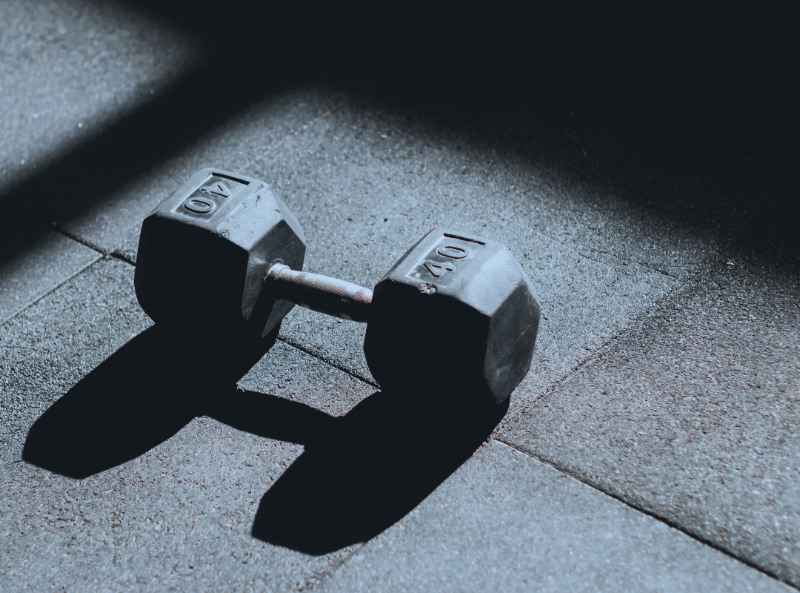
When it comes to building strength and improving fitness, one of the most common questions is: Should you train with free weights or rely on bodyweight exercises? The truth is, both methods are effective — and the best choice often depends on your goals, experience level, and training style.
Let’s break it down.
The Benefits of Free Weight Training
Free weights like dumbbells, barbells, and kettlebells are staples in most gyms — and for good reason.
Why free weights work:
- Build strength efficiently by allowing progressive overload
- Engage stabilizer muscles for better balance and coordination
- Offer endless exercise variety for all muscle groups
Free weights are especially effective if your goal is to:
- Increase muscle mass
- Build raw strength
- Train for athletic performance
They also allow you to gradually increase resistance over time, which is key for long-term progress.
The Benefits of Bodyweight Training
Bodyweight exercises use your own weight as resistance — no equipment required.
Why bodyweight training works:
- Improves functional strength and mobility
- Builds body control, balance, and endurance
- Easy to modify for beginners or advanced athletes
Push-ups, squats, planks, pull-ups, and lunges are excellent for:
- Improving overall conditioning
- Training anywhere, anytime
- Developing core strength and movement quality
Bodyweight training is also a great starting point if you’re new to working out or returning after time off.
Which One Is Better?
There’s no single “better” option — it depends on how you train.
- Free weights are ideal for structured strength training and muscle growth
- Bodyweight exercises excel at building coordination, endurance, and functional strength
In reality, the most effective programs combine both.
The Best Approach: Use Both
A well-rounded workout routine often includes:
- Free weights for strength and progression
- Bodyweight movements for mobility, balance, and conditioning
For example:
- Squats and deadlifts paired with lunges and planks
- Bench presses combined with push-ups
- Pull-ups alongside barbell rows
This combination helps you build strength while staying mobile, balanced, and injury-resistant.
Train Your Way
Whether you prefer lifting heavy, mastering bodyweight movements, or mixing both, the key is consistency and proper form. The best workout is one you enjoy and can stick with long-term.
At the end of the day, free weights and bodyweight training both have a place — and together, they can help you build a stronger, more capable body.




Leave A Comment